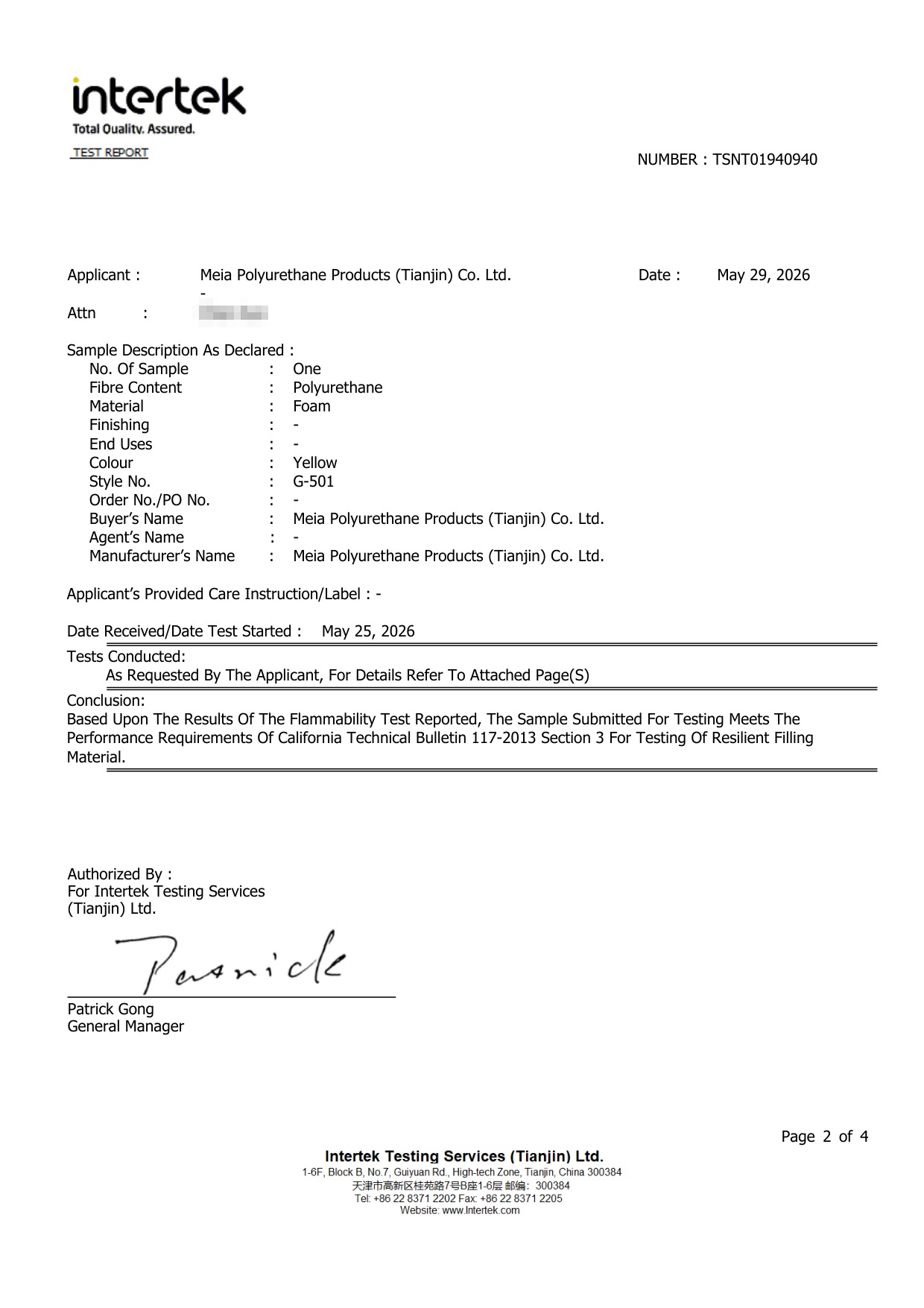
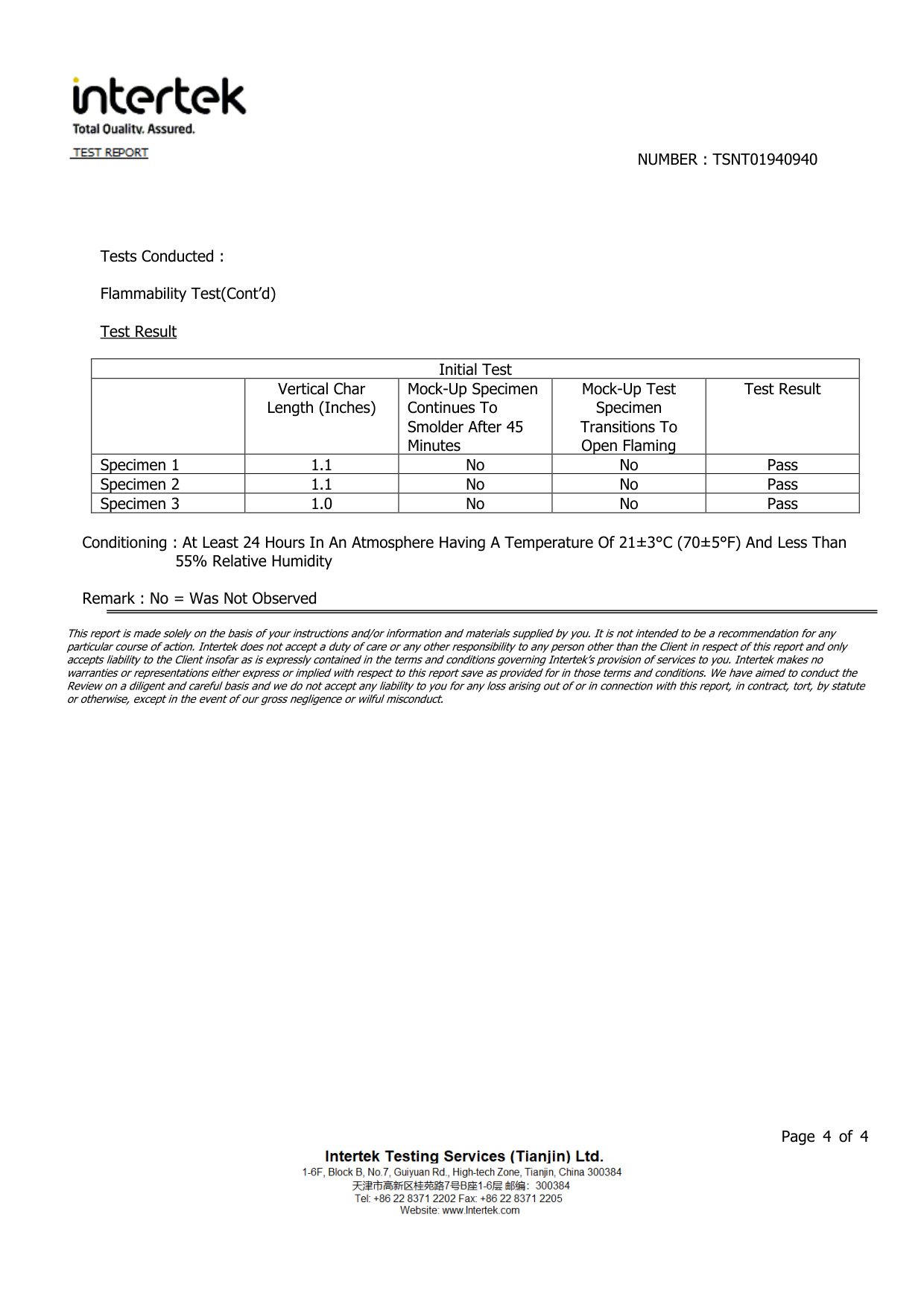
1. Density vs. ILD: The #1 Spec Confusion in Bedding OEM
Density (measured in kg/m³ or lb/ft³) determines foam durability and longevity, while ILD (Indentation Load Deflection) measures how soft or firm the pillow feels when you lay your head on it. A high-density pure foam can be engineered ultra-plush (low ILD) or firm orthopedic (high ILD).
2. Matching Foam Feel to Your Target Sleeper Channel
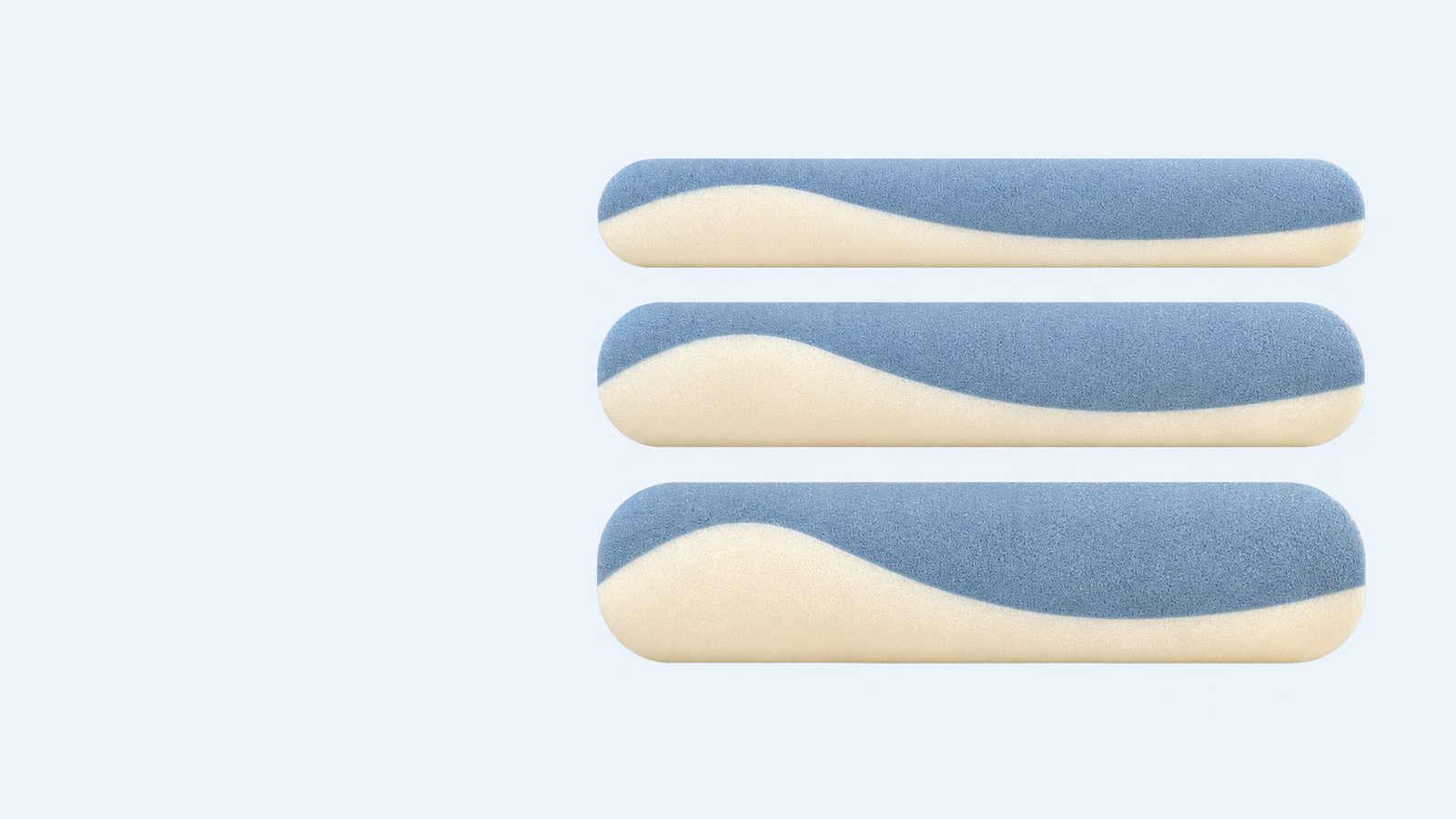
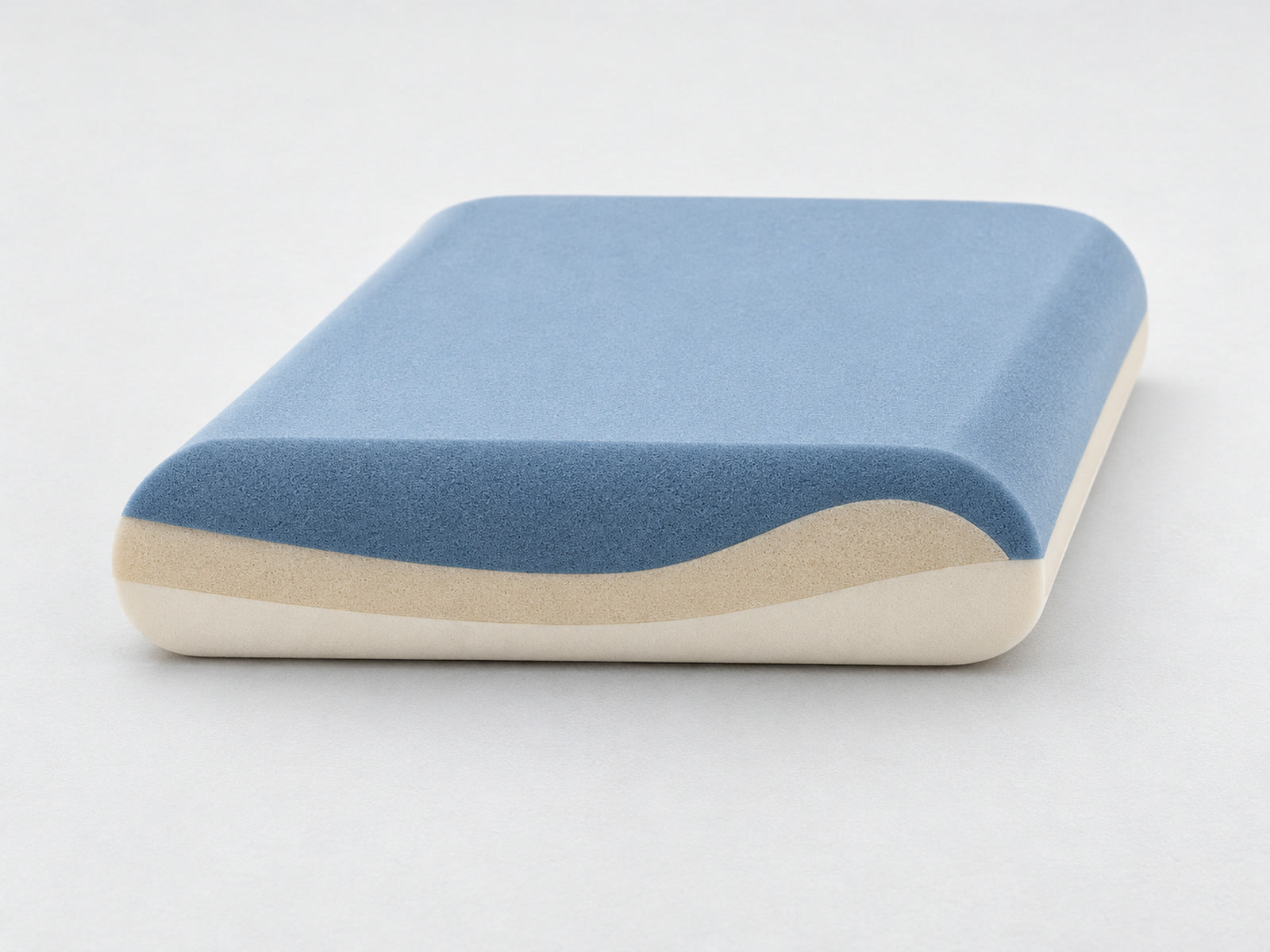
For broad hotel & luxury DTC appeal, pair a low-ILD slow-rebound blue top with a supportive ivory S-curve base (Gen 4 Dual-Core). For active combination sleepers who dislike sinking too deeply, insert a fast-rebound middle wave (Gen 2 Tri-Layer). For orthopedic neck-relief searchers, use sculpted dual-height grooves + gel base (Gen 3 Contour).
3. Calibrating Loft Heights to Cut Size-Return Rates
Rather than forcing one generic 12 cm block onto every body frame, leading DTC brands stock 8 cm as their 70%+ universal hero alongside 6 cm low-loft and 10 cm broad-shoulder side-sleeper options—all cut digitally on AZEE’s Tianjin CNC lines from MOQ 1 pc.
4. Quick Reference: Matching Core Architecture to Target Sleepers
| AZEE Model | Core Layers | Feel & Rebound Profile | Best Retail Positioning |
|---|---|---|---|
| Gen 4 Dual-Core | 2 Layers (Blue + Ivory S-Curve) | Plush cloud wrap + hidden cervical lift | Flagship DTC & 5-Star Hotels |
| Gen 3 Contour | 2 Layers (Grooved + Gel Base) | Medium-firm sculpted orthopedic hold | Amazon Neck-Relief Search |
| Gen 2 Tri-Layer | 3 Layers (Slow + Fast + Base) | Soft top + buoyant instant turn lift | Mid-Tier Combination Sleepers |
| Gen 1 Single-Core | 1 Layer (10 cm Pure PU) | Classic uniform slow rebound | Entry Volume & 2-Pack Sets |
| Kids 5 cm Pillow | 1 Layer (5 cm Low Loft) | Ultra-gentle low pediatric cradling | Family Bundles & Juvenile DTC |
5. Benchmarking Feel With Physical Evaluation Samples
Because comfort perception varies between slow-rebound viscoelastic and fast-rebound elastic layers, AZEE supports MOQ 1 piece multi-model sample packs so your product team can sleep-test Gen 4, Gen 3, Gen 2, and Gen 1 side by side before finalizing bulk ILD tolerances.